Selling at the lake
Selling a lake home in the off-season — why winter listings often outperform
Conventional wisdom says list in May. The data at Smith Mountain Lake says otherwise. A counter-intuitive case for the October–March window and the kind of home it actually works for.
Conventional real estate wisdom says you list a lake home in May, photograph the dock in July, and pray for a closing by Labor Day. At Smith Mountain Lake, that wisdom is half true. The summer market is real. But the off-season market — the quieter window from October through March — outperforms summer often enough that we now actively recommend it to a particular kind of seller.
This is a counter-intuitive piece. It is not the right call for every home. But the buyers who close in February at SML are different from the buyers who close in July, and understanding the difference is the difference between leaving money on the table and capturing it.
Who buys a lake home in winter
Summer buyers at SML are a mixed group — vacation-rental investors, families on a school-year deadline, weekenders looking to upgrade. They tour quickly, they bid against each other, and they often back out when inspection raises a single issue. Volume is high, but quality of fit varies widely.
Winter buyers are different. They tend to be deliberate. Retirees finalising a relocation. Trade-up buyers who have already sold their previous home. Cash buyers from out of state who don't want to compete in the summer crush. The off-season buyer pool is smaller — and dramatically more qualified.
Why winter listings often outperform
- Less competition. Summer inventory at the lake routinely runs 200+ homes. Winter inventory often runs under 60. A well-presented home in February is one of the few options; in June it is one of many.
- Higher-intent buyers. People do not drive to Moneta in February to "see what's out there." They drive there because they are buying.
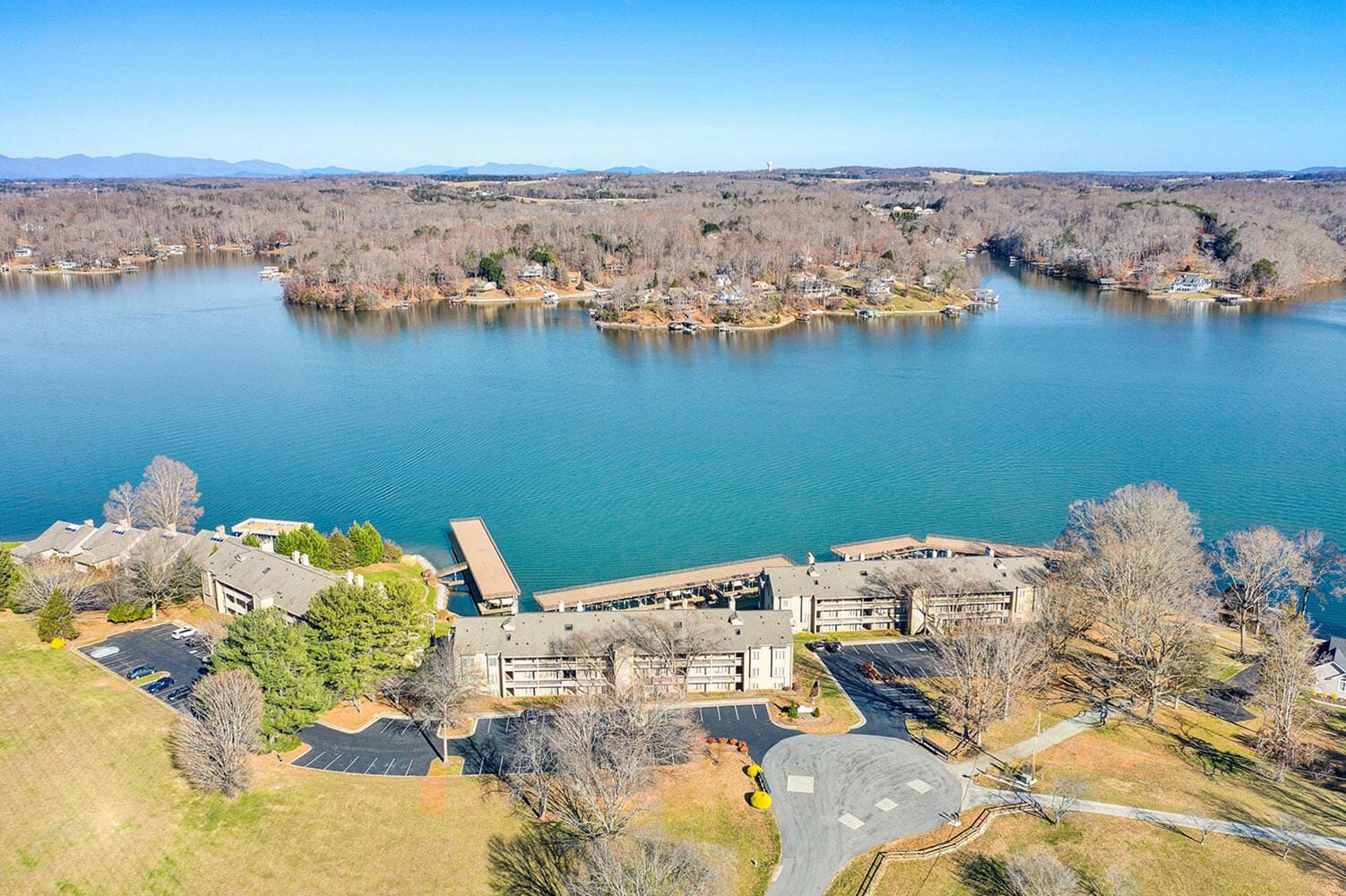
- Drawdown reveals the truth. Appalachian Power draws the lake down each winter; the shoreline you can actually walk in January is the shoreline that will exist in every future January. Homes that show well at low water are buying-confidence homes. Homes that don't would have lost their buyer at the spring inspection anyway.
- Honest staging. A lake home in winter — fire going, lights on at dusk, a real coat by the door — sells the year-round case better than the same home empty in August.
The summer market sells the lake to people who want a summer house. The winter market sells the lake to people who want a life. The second category pays better and backs out less.
What kind of home this works for
Not every home benefits from an off-season listing. Three filters:
- Year-round build. Full HVAC, properly insulated, paved access maintained through winter. Seasonal cabins should wait for May.
- Move-in ready. Off-season buyers are not interested in projects. The off-season is the wrong window for a "needs cosmetic work" listing.
- Deep-water or near-deep-water dock. Drawdown can be a benefit (it shows real shoreline) or a liability (it exposes a mud flat). Coves that hold three feet at low water present beautifully. Skinny coves don't.
What changes in the marketing
Off-season listings need different photography. Spring and summer photos still belong in the package — buyers want to see what the dock looks like in July — but the hero image should be a clean winter shot, smoke from the chimney, low warm light. Buyers viewing the home in winter need to see the home as it is the day they tour it; otherwise the dissonance kills the showing.
Pricing strategy also shifts. Summer pricing assumes a pool of competing buyers; off-season pricing assumes one or two qualified buyers and a tighter conversation. We tend to list slightly tighter — closer to the realistic close number — and hold firmer on negotiation. The off-season buyer respects that.
When to wait for May anyway
Skip the off-season pitch if: the home needs visible exterior work, the dock is a TBD permit conversation, the cove goes shallow at drawdown, or you simply need the summer-volume comp set to justify your asking price. The off-season works for homes that are ready and sellers who are patient with a smaller, better buyer pool. It does not work as a discount strategy.
The honest version
Half the lake homes on the SML market each year would sell better off-season than on. Most don't, because the conventional wisdom is loud and the off-season window feels lonely. The data, year over year, suggests otherwise. The right home in February finds the right buyer faster, with less negotiation, and with fewer inspection-period surprises — because the buyer already saw the lake at its hardest moment and chose it anyway.
Continue the conversation
Thinking about listing?
Talk to Craig about selling: timing, pricing, presentation. He reads every note personally and replies within a business day.
Related reads